Sharks in the Water: The Risks of Diving — and Philanthropy
Catherine B. Chapman, CFRE
Fullanthropy | Philanthropic & Nonprofit Management Consulting
When I was old enough to toddle and wear floaties on my arms, my Pap-paw introduced me to riding the waves in the ocean. We would go out into water so deep that I could not reach the bottom, and he would hoist me on a raft to watch the waves and ride them in. The mystique of the vast ocean, the adventure of riding a wave or crashing into the water with my Pap-paw ready to catch me, and the joy of doing it together embedded in me a strong love of the ocean. These days, I ride different waves with the same highs and lows – philanthropy.
The ocean is the final frontier of modern civilization. It covers more than 70% of physical earth, yet 80% of it remains unmapped, unobserved, and unexplored. In 2014, diver Ahmed Gabr completed in 13 hours and 50 minutes the deepest dive ever recorded by diving 1090 feet in the Red Sea. For context, the deepest point of the ocean is 12,080 feet deep. As such, 91% of marine species have yet to be described. The uncharted waters of the ocean perfectly reflect the uncharted societal problems that philanthropy exists to solve. Because philanthropy exists where the private sector and government have failed and/or given up, a map or quick solution to causes and missions requires extensive efforts not unlike a deep dive. Philanthropy exists as the final frontier to solving society’s most persistent problems of poverty, disease, suffering, and stewardship of resources.
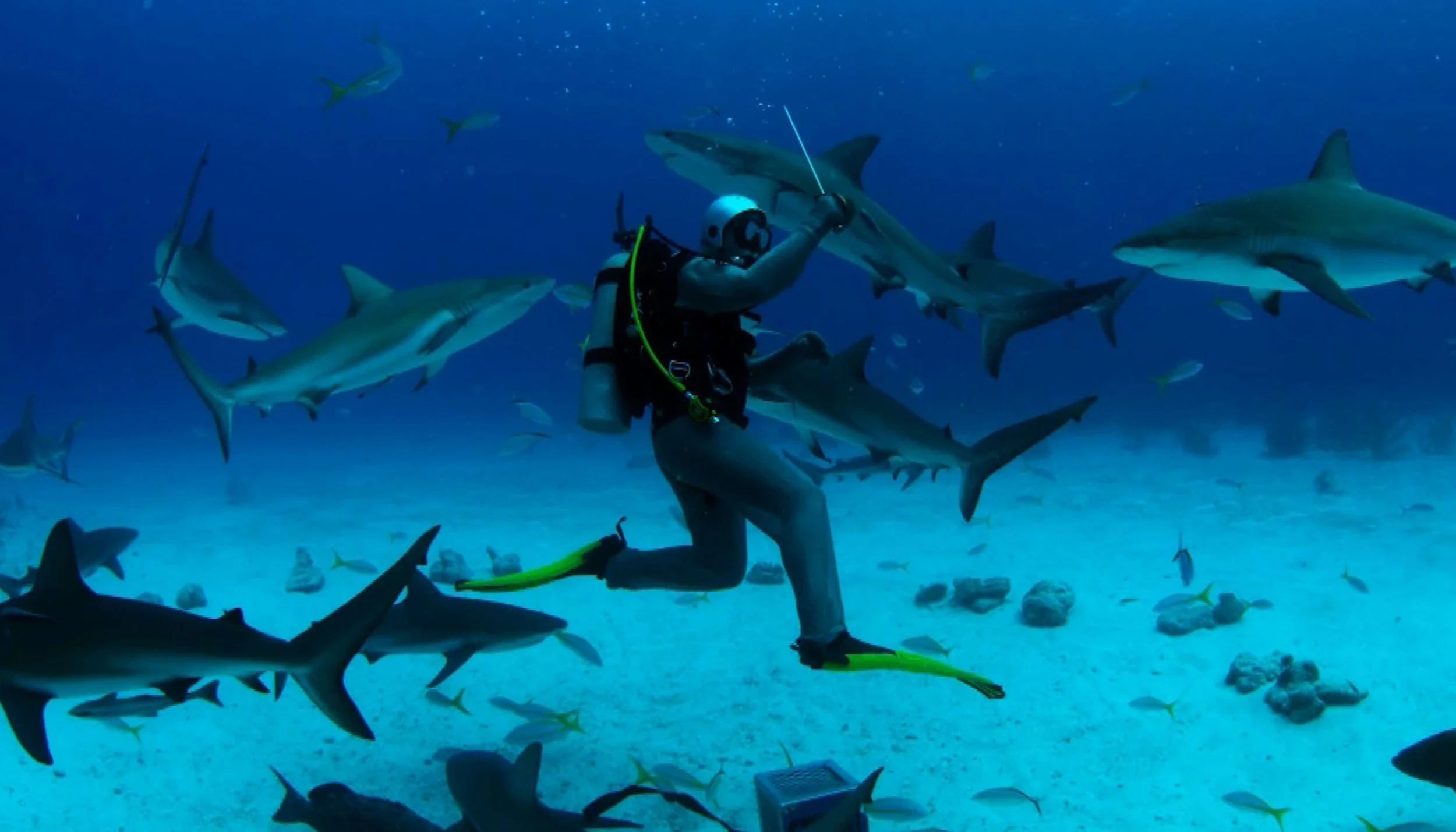
Guy Garman aka Dr. Deep attempted to challenge Gabr’s record in 2015. Sadly, even with months and months of intense training with a team of experts, the dive was a failure that resulted in Dr. Deep’s death. This tragedy is largely attributed to overconfidence. With factors like fast rip currents that an Olympic swimmer can’t outswim and intense pressure on the human body, scuba diving is extremely dangerous and requires great care. To even become a basic licensed scuba diver, you must complete 35 hours of intense training. Navy SEAL training involves at least 24 weeks of Basic Underwater Demolition training designed to push candidates to both their physical and mental limits. Philanthropy can be just as dangerous and also requires education. Funding for causes can be wasted as a result of ignorance, incompetence, and malfeasance. Some donors consider their own needs more than society’s benefits. Donors like some gun manufacturers absolve themselves of guilt not by addressing the root causes of America’s gun violence with gun safety programs but rather by donating to hospitals to treat victims. Bad philanthropy harms society as much as bad diving practices killed Dr. Deep.
Famed oceanographer, Jacques Cousteau highlighted the use of teams to check equipment and ensure the safety of divers. Following the scouting buddy system of swimming only in pairs, he practiced scuba dives with others and warned of the dangers of solo dives. Scuba diving is best done in teams or pairs with backup plans for safety, because exploring the ocean is not a solitary endeavor. Philanthropy is no different. In most states, creating a nonprofit requires a board of at least two or three board members, and maintaining a nonprofit requires a cadre of people, who sustain the mission via voluntarism, giving, and advocating for a cause. Modern and historical donors like Bill Gates and John D. Rockefeller hired advisors to ensure their gifts created the maximum societal return on their investment. Philanthropy from both the nonprofit and the donor perspective is not a solo activity but a team activity. Like a scuba instructor, Fullanthropy exists to help nonprofits and donors both maximize their contributions to philanthropy.
Today, I rarely have opportunities to ride the ocean waves, but I still engage in the excitement and thrill of the highs and sometimes lows with a business devoted to helping people fulfill their calling as a nonprofit leader or philanthropist and create a legacy that will outlive them. While I may not be physically in the ocean, the adventures and joy that we shared so many years ago live on in my work in philanthropy and Fullanthropy with subtle nods to two of Pap-paw’s passions – the ocean and football. Come jump in the water with me, and let’s see what floats…