Top 10 “Fumbles” in Philanthropy and How to Recover From Them
Catherine B. Chapman, CFRE
Fullanthropy | Philanthropic & Nonprofit Management Consulting
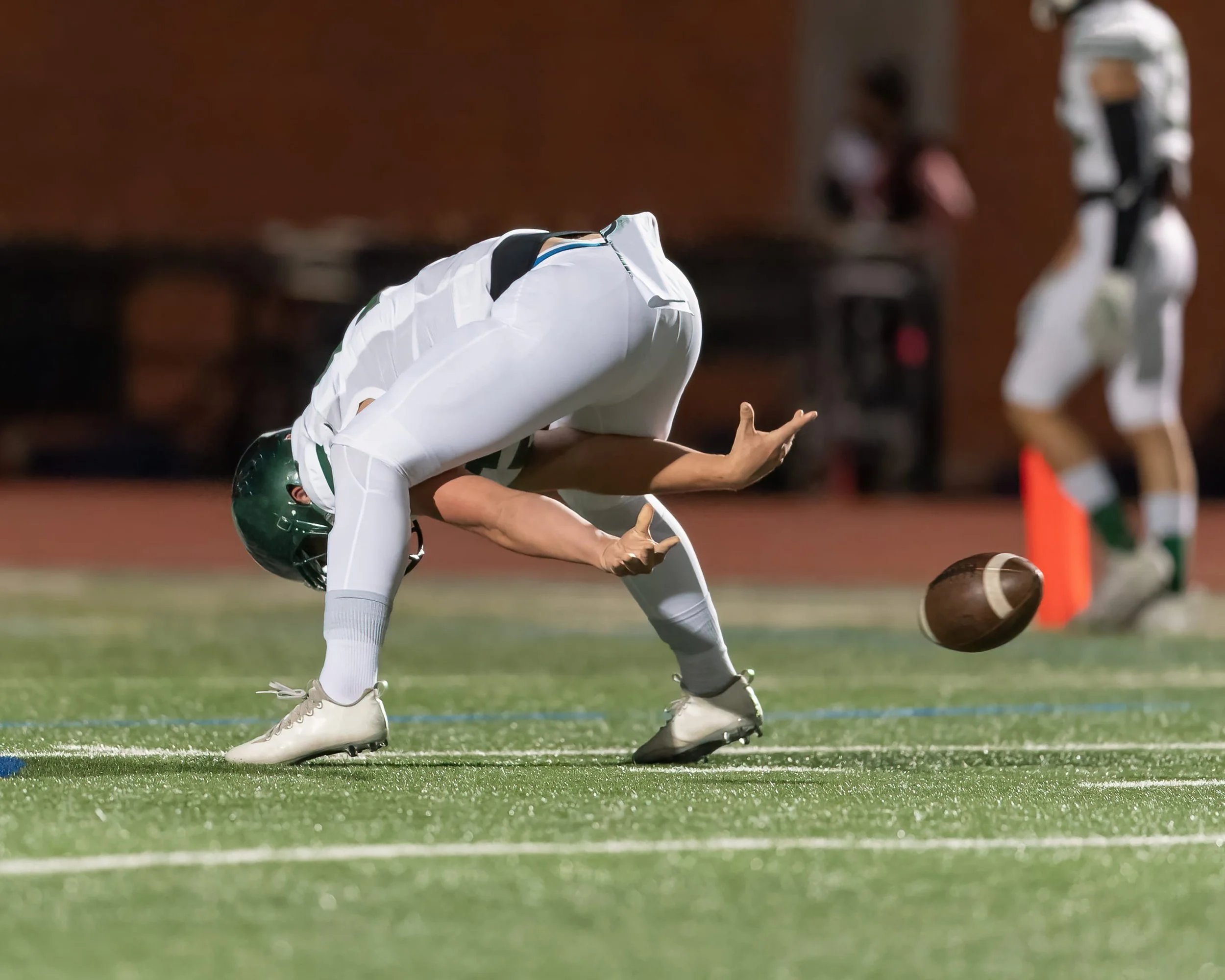
Every great team fumbles. What separates championship organizations from the rest is not the absence of mistakes, but the speed and wisdom of the recovery. The same is true in philanthropy and nonprofit management. Below are ten of the most common nonprofit fumbles, and how to get back on the field ready to win.
10. Misunderstanding the Difference Between Activities and Impact
In football, activities are the hours spent in the weight room or on the practice field. What actually matters is performance in the game. For nonprofits, what matters is not the number of youth served through programs, but the measurable results created in their lives. Count outcomes, not outputs.
9. Failing to Register Your Charitable Organization
Professional athletes register with their league to access benefits, protections, and resources. Registering your nonprofit with both the IRS and your state’s attorney general ensures legal compliance and unlocks additional benefits including sales tax exemption and eligibility for certain grants. Do not skip this step.
8. Not Engaging Your Fan Base
Every championship team has a passionate fan base that amplifies their work beyond the field. Your donors, volunteers, and community supporters are your organization’s most powerful advocates. Engage them through social media, personal outreach, and meaningful calls to action. A loyal fan base is a force multiplier no budget can fully replace.
7. Relying on Special Events as Your Primary Revenue Source
The Super Bowl is one extraordinary event, but it does not define an entire season. Special events are the least cost-effective way to raise money and should never be the foundation of a fundraising strategy. Use events to build awareness, celebrate your community, and cultivate new relationships. Then, raise the real money through follow-up and sustained donor engagement.
6. Building a Board That Is Too Small
You cannot win a football game with three players, and you cannot effectively govern a nonprofit with three board members. Board members provide connections to knowledge, influence, and resources. Best practice calls for 12 to 15 engaged board members, each bringing skills your organization genuinely needs.
5. Paying a Fundraising Consultant on Commission
Targeting is penalized in football because it endangers players and undermines the integrity of the game. Paying a fundraising consultant or staff member based on a percentage of funds raised is the nonprofit equivalent. It is considered unethical by the Association of Fundraising Professionals and CFRE International, and it exposes your organization to additional scrutiny from your state’s attorney general. NFL players are paid based on their past performances and not on delivering a Super Bowl win seven months after the season begins.
4. Ignoring Your Own Passion for the Cause
Authenticity is as much a part of great fundraising as the ask itself. Sharing why you personally care about your cause builds trust with prospective donors and inspires them to become involved. People give to people before they give to organizations. Let them see why the cause matters to you.
3. Believing the Money You Donate Remains Yours
Once you donate money to your nonprofit and claim the charitable tax deduction, those funds are no longer solely yours. They become subject to IRS oversight and must be used exclusively for the organization’s stated charitable purpose. Treating donated funds as personal resources is not only a governance failure, it is a legal one.
2. Allowing Inexperienced Leadership to Manage Your Nonprofit
A coaching staff without football knowledge will lose games regardless of the talent on the field. Operating a successful nonprofit that adheres to legal requirements, follows sector best practices, and creates meaningful community impact requires genuine experience and education in nonprofit management. Good intentions are not a substitute for expertise.
1. Failing to Purchase Directors and Officers Liability Insurance
A professional athlete’s agent would never allow them to take the field without disability insurance protecting their income. Directors and Officers Liability insurance protects the personal assets of every board member and senior leader in the event your nonprofit faces a lawsuit. It is generally inexpensive relative to the protection it provides. This is not optional.
The Fullanthropy Perspective: Every Fumble Has a Recovery
The CLAIM Your Legacy™ framework exists precisely because these fumbles are preventable. Communication, Connection, Community, Leadership, Leverage, Administration, Impact, Innovation, Money, Mission, and Mindset, when built with intention and maintained with discipline, form the foundation of a Championship Organization. One that does not just avoid fumbles, but recovers from them quickly and comes back more powerful and ready to score the next gift.
Ready to build the organization the money cannot resist? Let’s talk.