
I Am Third: Prioritizing for Nonprofit Success
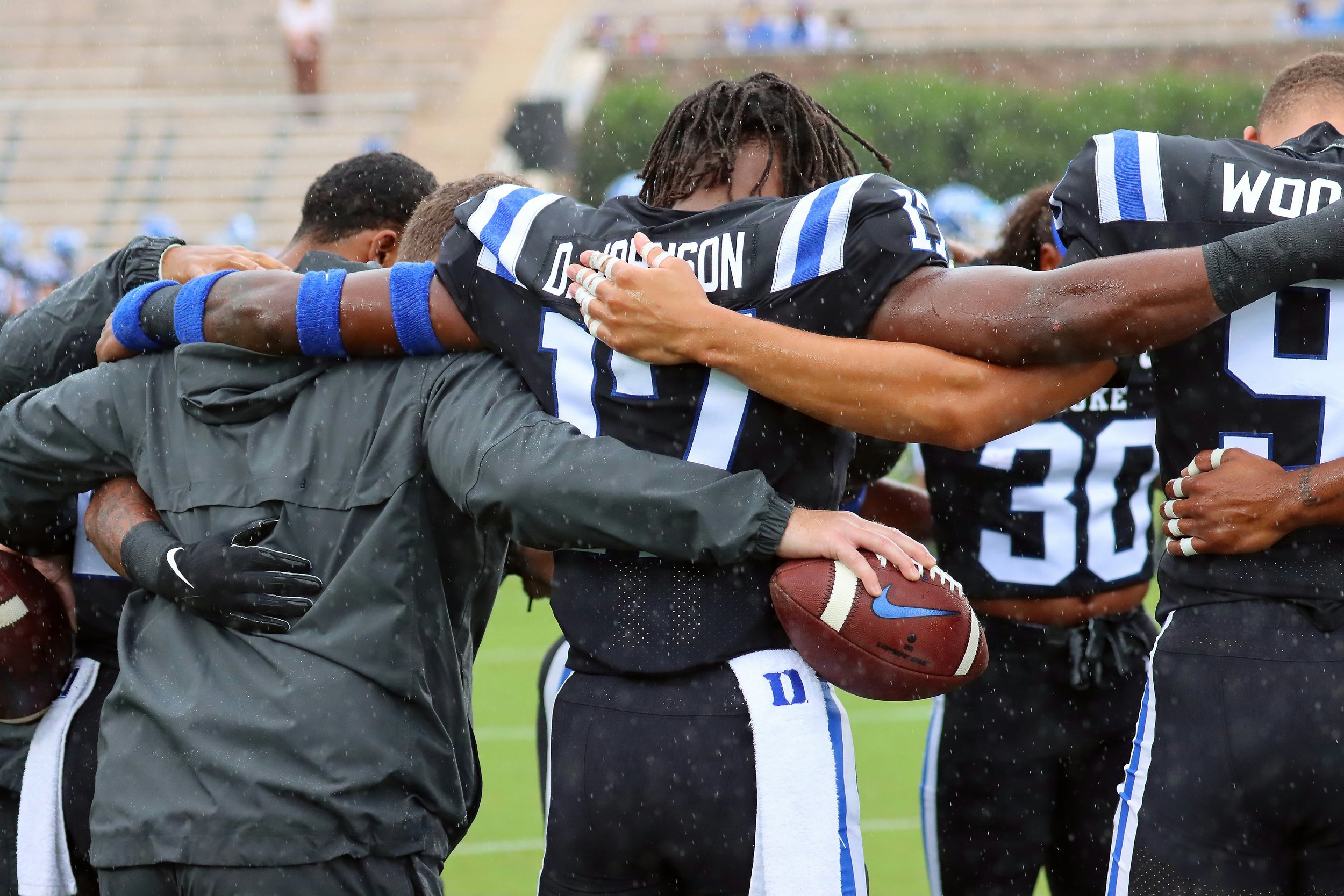
Recently, I noticed a friend wearing a dog tag with the words “I am third.” Knowing he was the fourth born in his family, I was curious enough to ask why he identified as third. He shared that his mother had given it to him more than 30 years ago and flipped the tag over to reveal the full inscription: “God is first. My friends are second. I am third.” The quote has stayed with me ever since — and for good reason. It is Gale Sayers’ personal creed and the title of his autobiography. Sayers is remembered as much for his fierce devotion to his friend Brian Piccolo, who died of cancer, as he is for his remarkable career as a running back for the Chicago Bears. It was such a meaningful act of selflessness that I remember my Mom letting me stay up late on a school night to watch the TV movie that shared the story. That simple sequence of priorities is not just a wise mantra for life, it is also one of the most elegant and simple blueprints for successful fundraising.
Research consistently shows that donors prioritize their giving in a predictable order: religious institutions first, college alma maters and the organizations that built their most meaningful friendships second, and personal passions third. This is precisely why I advise organizations to find donors for whom they are third — not because third place is a consolation, but because it is the most faithful, sustainable position a nonprofit can occupy. Competing with faith and friendship is a losing proposition. Ranking below third produces a transaction, not a relationship.
So how do you find the donors who make you third? The creed answers that too — and it requires the same sequencing from the organization.
The first priority is always mission – what does your organization do for others. Before donors look at the budget or the leadership, they care about the cause and what your organization does to make a difference in that space. Your organizational mission should define every operational and budgetary decision, because it encompasses the reason you exist, how your organization responds, and the outcomes or transformations you create.
The second priority is your donors. These are your organization’s friends that you rely on to support you in both the good times and the challenging ones. They are your organizational support network. Just as you would want to treat your personal friends well, you also want to prioritize your donors by asking what is important and meaningful to them. Why is their friendship with your organization so important? Fundraising done well looks like listening, understanding what your donors need and want, and then creating meaningful opportunities that meet those needs.
The third priority is the priority that most nonprofits prioritize first, which is what causes much of their fundraising struggles; they lead with their own needs. The funds to address a nonprofit’s own needs discount how the funds will be used and how it matters to donors. A youth shelter that I worked with wanted more beds for youth so badly that they missed out on a donor wanting to give them $100,000 for community outreach first with a discussion for more beds and more money following. The nonprofit would not acknowledge the donors’ interests before their own needs. The eventual result was that the donor and the $100,000 went elsewhere. When you put mission first, donors second, and your organizational needs third, you are not diminishing those needs. You are positioning them to be met.
Successful fundraising prioritizes people over needs or money. When people feel special and know that their gift creates meaningful transformation because priorities are in the right order:
First — Mission/Purpose (God first)
Second — Donors (Friends second)
Third — Organizational Needs (I am third)
the money flows. Gale Sayers’ extraordinary talent and blazing speed took him from the “Kansas Comet” to the Hall of Fame in Canton, but this creed transformed his legacy from one of football to a celebrated humanitarian, who prioritized his faith and his commitment to others before himself. That is the essence of the nonprofit sector that transcends any football field, corporate office, or board meeting. A nonprofit organization seeking to be third behind their mission to others and their donors cannot help but to be first in securing donations.
The Fullanthropy Perspective: When Third Place Is the Winning Position
The nonprofit sector’s most persistent fundraising mistake is leading with organizational needs instead of focusing on the donor’s needs. Just like in a football play, sequencing matters in scoring a touchdown and a gift.
Want to know if your priorities are in the right order? Then take the Chart Your Impact assessment.