
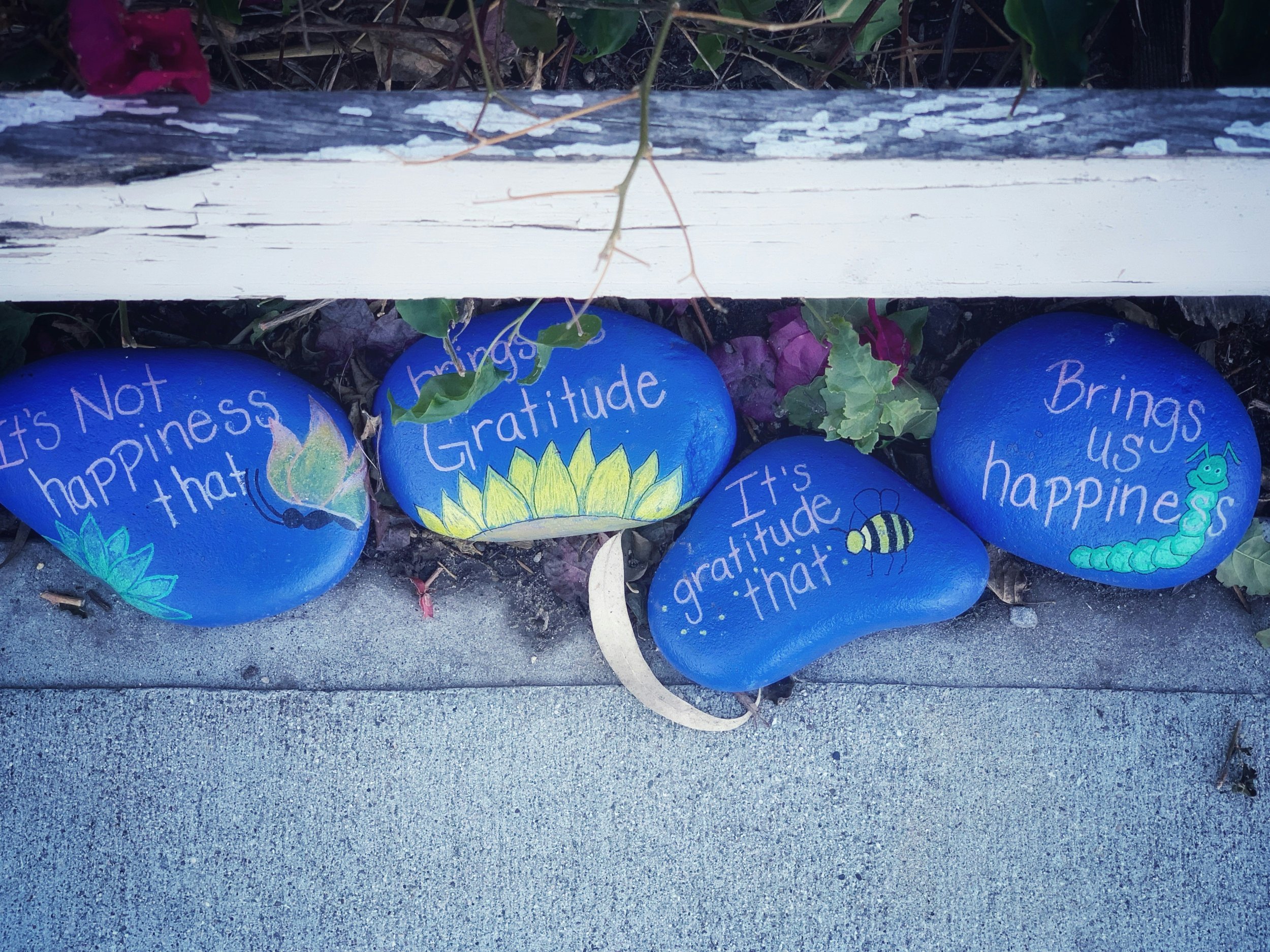
Give thanks in every situation…. - 1 Thessalonians 5:18 (CEB)
These words are from the apostle Paul as a means of encouraging the new church in Thessalonica. After Paul established the church there, he stayed only a short time before moving on in his missionary work. Seeking a report on their progress to remain steadfast to Christian ideals, he sent Timothy to observe and provide him with a report. Because Timothy's report was so positive, Paul drafted a note of encouragement with precise directions for continuing to hold onto the good and avoid evil by giving thanks to God.
Gratitude is a key component of every major faith tradition including Abrahamic faiths like Islam and Judaism as well as more Eastern faiths like Hinduism, Buddhism, and Sikhism. It is also a part of indigenous faiths, making it a common value for Pilgrims and Indigenous Americans to celebrate.
Gratitude should be the overarching value that all nonprofits hold regardless of their mission. Within gratitude is hope for something better and an appreciation that it is coming. For this reason, gratitude does not need to wait for the arrival of a gift to be demonstrated. It also should be given not as an obligation or duty but rather from a place of deep appreciation and joy.
All too often, nonprofits confuse gratitude with legal or tax obligations by believing that they have properly thanked a donor when they have sent the standard form letter or provided the standardized IRS language stating that no goods or services were provided in exchange for the gift. While thanking donors in this way fulfills the legal obligation, it falls far short of honoring the donor or acknowledging their choice. Giving to an organization involves time in learning about the organization including its mission and impact and directing and processing gifts to the organization. These are voluntary actions, and organizations can honor them through genuine gratitude rather than perfunctory forms. Making the donor feel special after they have made their gift is the heart of fundraising.
There are multiple ways to thank donors creatively and meaningfully. Below are ten simple ways that you can honor the gifts that donors, board members, and volunteers share with your organization and simultaneously ensure that they are prepared to share those gifts again:
1. Specifically articulate how their gift made a difference in the lives of the clients that you support. Is there a homeless child sheltered because of their donation? Does a single mom have better access to childcare or education? How did their gift specifically make someone else's life better?
2. Have a client that you are helping write a heartfelt note to the donor in their own words, with grammatical errors, spelling mistakes, and the like left uncorrected, thanking the donor. You can use just a first name to preserve confidentiality. Donors want to hear from those they help, and this small step can have profound meaning.
3. Acknowledge the life successes and milestones of your donors and volunteers by sending a quick note of congratulations or writing a line or two in your newsletter about them. Highlight the new baby of a board member, or announce the promotion of a longtime volunteer. It makes that person feel good, and it showcases to your prospective and existing donors that your stakeholders are engaged in the community.
4. Share board members' successes in helping the organization with other board members in meetings. Success encourages success. Your board members will want to be the names called out at board meetings and will work for that praise.
5. Have board members call donors simply to say thank you. Not only does this impress your donors, it also excites your board members regarding fundraising. A board member making a thank you call hears firsthand from another donor what the organization means to them, which is powerful.
6. Send a personal, handwritten note of thanks. Handwritten notes have gone by the wayside in our digital world, so receiving one feels extraordinarily special.
7. Acknowledge personal milestones in the lives of donors and volunteers. Send a birthday card to a donor and their family members. Recognize an anniversary. After a donor's wife had passed away, I called him to wish him a happy anniversary (against the advice of my colleagues, who thought it would be hurtful). It was the opposite, no one had reached out, because they thought it would upset him. He had not forgotten the date and appreciated that there was someone else that noted it and celebrated it with him. In appreciation, he sent an extra gift.
8. Send a letter outlining your goals and how their efforts as a donor or volunteer contributed to achieving those goals.
9. Be as excited about their gift beyond the time it takes to acknowledge that gift. There is so much effort chasing the gift and very little focusing or celebrating the good of the gift. Do more celebrating.
10. Share with the donor or volunteer why you admire what they are doing with their giving. This is a reminder to them that their giving matters to you and that you understand it is a choice.
All too often in fundraising, we devote the majority of our energy to getting the gift, yet our actions once the gift is received are actually more important in determining whether or not there will be a second or third gift. There are always organizations ready to take a gift, and a donor may make the first gift without making a second one in large part due to how you steward that gift. Making the effort to recognize and celebrate the actions of the donor is one of the most enjoyable aspects of fundraising and one that creates the most impact in achieving your fundraising goals. Donors who feel special are far less likely to stop giving.
Fullanthropy Perspective
A thank-you letter satisfies the tax code, but it does not make a donor feel honored. The organizations that thank donors in ways that are personal, specific, and sincere give those donors a reason to give again. To see where your organization stands, take the Chart Your Impact™ assessment here.